



Categories
-

0 Billy Preston: That's The way God Planned It Documentary
- Review
- by Kingsley H. Smith
- 03/17/2026
Before diving into the That's The Way God Planned It movie documentary, check out both my 2006 Billy Preston obituary, and the Billy Preston health update posted 5 weeks before he passed that year. Billy Preston, (1946-2006), a Houston, Texas native, grew up in Los Angeles, California. He played keyboards with almost everybody. Many of those folks are mentioned in the obit referenced above. The 5 Preston albums seen below are from my personal collection. The Music Preston had 4 top ten R&B chart hits: "Outa-Space" - #1, 1972 "Space Race" - # 1, 1973 "Will It Go Round In Circles" - #10, 1973 "Nothing From Nothing" - #8, 1974 His Pop Chart Success: "Outa-Space" - #2, 1972 "Will It Go Round In Circles" - #1, 1973 "Space Race" - #4, 1973 "Nothing From Nothing" - #1, 1974 "With You I'm Born Again" - #4, 1980. Billy Preston with Syreeta Sample Billy Preston in 30 seconds. Your browser does not support the audio element. In the 1970s, Black radio played his music. Not so much later on. Overall, he had ten hits on the Billboard R&B charts. Both "Outa-Space" and "Space Race" are instrumental tracks. These tracks did crossover to pop airplay. You hardly hear this genre featured as full length pieces anymore on contemporary music radio. Billy Preston was a master of the organ and keyboards. This album, "Everyone Likes Some Kind of Music," was released in 1973 and features "Space Race." Mr. Preston could sing! He had a gritty, gospel influenced vocal delivery capturing funky intonations you'd expect from a soul man of song. "Strutin'," a #11 R&B song in 1975, was released from the 1974 album "The Kids & Me," that also featured the magnificent Billy Preston authored ballad "You Are So Beautiful," and the energetic "Nothing From Nothing." "It's My Pleasure" from 1975 includes guest artists Stevie Wonder and Syreeta Wright This is the one foot x two foot poster included in "It's My Pleasure:" "Billy Preston" featuring "Girl" was released in 1976. "Billy Preston: The Best." 1982 and 1988 CD releases. The Documentary It's the evening of March 16, 2026. I'm in the audience at the packed Barnes Foundation auditorium in Philadelphia for the Preston story screening. After the documentary is shown, we learn from the film's producer, Jeanne Elfant Festa, 2nd from the left, that Jeffrey Lurie, owner of the NFL's Philadelphia Eagles helped finance this independent production through one of his companies. As of this writing, the movie is in 40 USA theaters, with the hope of a streaming deal in the future for more visibility on possible platforms. Left to right on the stage, journalist Dyana Williams, who is a co-founder of Black Music Month, the film's producer Jeanne Elfant Festa, the director of the documentary Paris Barclay, and moderator Philadelphia WURD Radio's Wake Up With WURD morning host Solomon Jones. How Good Is That's The Way God Planned It? My take: remarkably outstanding. The audience: emotionally moved. I don't like to reveal too much about movies when reviewing them. You should be surprised when you experience the film for yourself. This Billy Preston story starts with church roots, builds on a prodigy's legacy, grabs us with Beatles lore, shakes our soul with R&B and rock collaborations, and reveals how this musical genius navigated through life being the best at his craft. I thought I knew a lot about the Preston arc in music, but I learned so much more that I never knew. The film footage of his life in this one hour, 45 minute movie is incredible. Released in 2024, That's The Way God Planned It has won multiple best director awards for Mr. Paris Barclay. He's the 2024 best director winner from the Oak Park Black Film Festival, and the 2025 best director Filmfest DC winner (an Audience Award). Through the documentary, Billy Preston's personal life is under the microscope in detail. How much does his family, friends, fans and fellow musicians really know about him? This aspect of his private life is confronted. Those who knew him talk truthfully. Billy Preston himself narrates his own observations during parts of the story. You will not be disappointed in That's The Way God Planned It. Seek it out and watch it. A special thanks to Paris Barclay, who flew in from California for the evening so he could share his insights about directing this story featuring the famous icon of music, Billy Preston. The documentary was presented at The Barnes Foundation in Philly by WURD Radio as a Black History Month special, rescheduled into March due to a February snow storm. Previous Post | Next Post
-

0 Lisa Lisa & Cult Jam - Did You Feel The Beat?
- Review
- by Kingsley H. Smith
- 07/08/2025
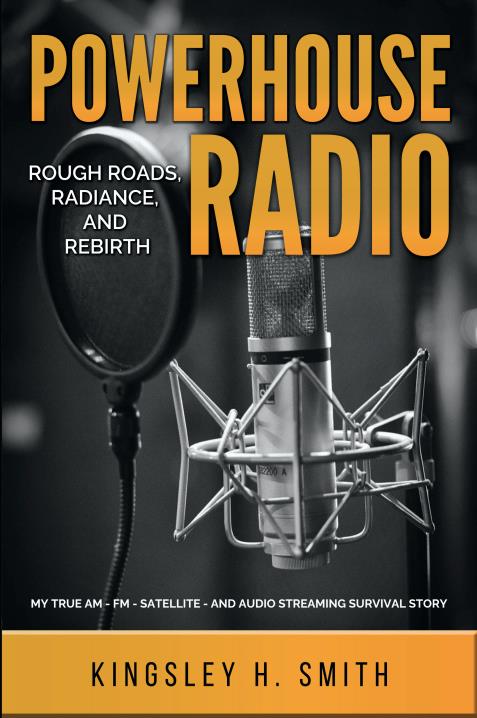
Six months ago, a Lifetime original movie premiered on their network. Lifetime operates under the umbrella of the A&E Networks. "Can You Feel The Beat: The Lisa Lisa Story" is now making the rounds on other streaming platforms. Who is Lisa Lisa I recently watched this "docu-drama" on Amazon Prime Video. Lisa Lisa & Cult Jam with Full Force is a late 1980s early 1990s R&B - pop hit making ensemble featuring Lisa "Lisa" Velez. The pop nod is important. Their music had strong crossover appeal despite radio airplay barriers. In the late 1980s, R&B was moving toward hip hop. The 1980s new pop sound capturing general market contemporary radio included Tears for Fears, Simple Minds, The Belle Stars, Bananarama, and other instrumentally sparse groups. Getting radio airplay is always competitive. Lisa Lisa broke through. What makes the Lisa Lisa story interesting is her leap from working class Harlem, New York obscurity to global 'top of the charts' rhythmic domination. Yes, her ensemble had three #1 R&B hit songs. Head To Toe - 1987 Lost In Emotion - 1987 Let The Beat Hit 'Em - 1991 Their music features a dance driven beat. It's not disco. It's not funk. It's not 80s techno R&B. Lisa's voice makes their sound unique. Especially her ballads. What's in Their Name When the public knows you as Lisa Lisa & Cult Jam with Full Force, there is some identity ambiguity. Cult Jam is Alex "Spanador" Moseley and Mike Hughes. Lisa Lisa and group was produced by Full Force. Got it? Some of their tracks say Lisa Lisa and Cult Jam 'featuring Full Force.' Others say 'with Full Force.' I stopped trying to figure this all out a long time ago, as I always just enjoyed their music. This is why Lisa Lisa was always the focus of group promotion. The Movie Officially billed as the fully authorized biopic, (that's bio-pick, not bi-op-ic), "Can You Feel The Beat: The Lisa Lisa Story" tells the story of her and her group's global rise to fame. This is a dramatic rendering presented as a movie, not as a straight forward documentary. All of the actors are acceptable. Jearnest Corchado as Lisa Velez is the standout. This film after all is the Lisa Lisa story. You can predict the story line of most movies that attempt to feature the arc of a successful music career. This story has all of the music business stereotypes. Evil record label owners, drug use, sex starved song producers, bad relationships, performer fights, manipulative contracts - it's all here. Lisa Lisa's story is notable because she started at 15 years old and had her first #1 hit at 18 years old. I won't reveal any spoilers here. Lisa Lisa does battle family, friends, foes, and obstacles during her rise to fame. This prodigy's exceptional magnetic voice pulled in millions of worldwide music fans. The Latina aspect of her demographic origin is a backdrop surrounding how this young lady forged ahead inside of the star making machinery that defines the music biz. I was in the dark about the full Lisa Lisa story, so I learned much more than I knew. However, some of the simplistic elements of the movie's screenplay cried out for a lot more detail and script development. "Can You Feel The Beat: The Lisa Lisa Story" features very good music in the spotlight with an excellent sound mix. Lisa Lisa is a solid role model for her time. You will appreciate this story. On a scale of one to ten, I rate "Can You Feel The Beat: The Lisa Lisa Story" a 6.5. Bonus: Here's another part of my 2025 video interview on Black Authors Matter TV. I call this 4 minute segment about my Powerhouse Radio book O-J Jive & The Big Break. July 18 update: Here is the complete Kingsley H. Smith Powerhouse Radio interview on our YouTube channel in a playlist with extras. Will you be in the Philadelphia or Northern New Jersey - New York City area in August or September? Stop by these book fairs. I'll be very happy to sign a copy of my award winning story, Powerhouse Radio: Rough Roads, Radiance, and Rebirth for you. Previous Post | Next Post
-

0 The House That Jack Built - Hal Jackson
- Review
- by Kingsley H. Smith
- 06/24/2025
Have you ever worked with someone, only to find out volumes of information about them after your mutual employment with that person ends? This was my situation with the radio industry pioneer, Hal Jackson. While on the Inner City Broadcasting engineering staff, (WLIB - WBLS owner), I spun Hal's records, cued his ads, and turned on his WLIB AM microphone in a cozy Harlem New York City radio station studio. After leaving WLIB - WBLS, I stayed in touch with Hal as my own career expanded. You'll see evidence of that later. A couple of years before I wrote Powerhouse Radio: Rough Roads, Radiance, and Rebirth; My True AM - FM - Satellite and Audio Streaming Survival Story, I read WLS DJ John Records Landecker's eBook Records Truly Is My Middle Name. Landecker is famous for his time broadcasting out of Chicagoland USA, using funny bits and creative skits. His audience knows him for his audio "boogie check" segments. Back to the future. Two years after writing my book, I've finally read Hal Jackson's hardcover biography. What's the connection? Landecker and Jackson have many things in common. Being married four times each is one of them. What does that tell you about what it takes to rise to the top of the radio personality food chain? The House That Jack Built Hal Jackson was lucky growing up in Charleston, South Carolina. His family had horses, maids, a cook and other affluent trappings. Mr. Jackson attests to this revelation. He states that the Jacksons were the first Black family to have an automobile in his neck of Charleston. The athletic Hal was a five-letter-guy in high school at football, baseball, basketball, track, and tennis. He was a sports guy. Education was also important to him. He excelled in school. One anecdote about his family. Hal's mother and father passed away within four months of each other when the young Jackson was eight. Before his death, father Jackson provided for Hal and four other siblings by buying each a house held in trust by an estate until the young ones each reached twenty-one. An older sister had other ideas. Hal tells the whole story. When the parents passed, Hal moves to Washington, DC to live with his sister Alice. He soaks up the culture and immerses himself in sports. Despite what his family had, Jackson was independent. He could not afford admission into Griffith Stadium, where the Washington Senators baseball team played, so Hal approached the stadium owner with an offer that was accepted. "Let me watch the games for picking up stadium trash." It was a nice deal for Hal, driving his interest in sports that he never lost. Before Hal gets his first radio gig, his love of sports found him writing for the Washington Afro-American in DC. He was also on the broadcast announcing team at Griffith Stadium for Black team games. Another plus, Hal did the announcing for the sports games at Howard University. Note, Black sports in the 1930s - 1940s weren't broadcast over the radio. Only the audiences in the stadiums heard the announcing. First on-air radio job A progressive thinker, Jackson wondered if he could play a role in breaking down segregation. Hal approached radio station WINX, at Eighth and I Streets NW DC, owned at the time by The Washington Post. No African Americans were working at the station. Hal used some clever tactics to get an audience with the station general manager. When seeing Hal, the manager called in his entire staff, in front of Hal's presence. The general manager stated "I brought you all in here because, can you imagine, this "n-word" is talking about going on this radio station. No "n-word" will ever go on this radio station." Hal said "well, we'll see about that" and walked out. How did he get in? Hal approached the sales department using a third party friend with a strategy to circumvent the general manager. With the assistance of a Black sponsor he found, Jackson purchased airtime Monday through Saturday through a White advertising agency. WINX did not know this until the agency contract was signed. Hal never used his name. WINX accepted the contract in the name of Hal's confidant. Fifteen minutes of air time on WINX was acquired six nights a week for $35 per show. Hal Jackson's 11:00 pm - 11:15 pm time slot was a huge success. Money talks. It's November, 1939. The first show of its kind, produced by Blacks for Blacks, in Washington DC. First full-time radio job During the mid 1940s, another White newspaper publisher, who wanted in on radio, aware of Hal's success, sent a lawyer to talk to him about joining a brand new station, WOOK. Jackson was the only Black announcer on the air in DC at the time. Hal did get the new suburban WOOK job. He broadcast Monday through Saturday, from the moment the station went on-air until sundown sign-off time. This was typical for "daytimer" stations, licensed by the FCC in this manner, to protect more powerful stations at night (in other states, or in Canada / Mexico) who used the same broadcast frequency. The gig paid $50 per week plus expenses. Hal did get a three-hour lunch break! He was still responsible for the music played during his break. Early in his career, Hal Jackson leap frogged between different radio stations in multiple cities employed by all of them at the same time. He named his WOOK, Silver Springs, Maryland program "The House That Jack Built." This was a theater of the mind technique used to feature specific music genres in different rooms of his imaginary "house." The psychology worked. Today, you'll find many radio talent that continue to use this approach. "Off to the living room for 'artist X' to sing..." That's how the approach was used. Community Involvement Two things stand out about radio legend Hal Jackson. He built his radio career around community involvement. He extended this relationship advocating for Black people. A phone call to WOOK by a listener let Jackson know that a patient in a local hospital wanted to listen to 'The House That Jack Built.' The patient didn't have a radio. Hal had a solution. He mentioned the problem on-air. Within a couple of weeks, 300 radios were delivered to local hospitals free of charge thanks to charitable cab companies, radio repair shops, and other generous donors. Television Early on, Jackson saw television as a promising opportunity. He was contacted by an advertising agency in 1949 asking if he wanted to take The House That Jack Built to the brand new media of television. Yes, he wanted to. The House That Jack Built debuted at Washington, DC's Howard Theater in the Spring of 1949. Jackson simultaneously keep all of his current radio gigs. History was made as Hal hosted the first television variety show out of Washington, DC featuring Black performers. Hal Jackson was a skillful hustler with honest intentions. He wanted additional add-on work as more family responsibilities and more children were added to his flock. Also in 1949, The House That Jack Built radio show debuted on WLIB AM in New York City. He stayed there for a short time, only to return to more opportunities in the Washington metro area. All over the New York City radio dial Hal Jackson was eventually lured back to the Big Apple. At one point, he was on WMCA, WABC, and WNJR in Newark, New Jersey doing daily programs on all three stations! He spun records and did interviews. He had a separate all sports program. He had a midnight jazz show from the Birdland club on WABC. This radio multitasking would not be allowed today! Hal was a guy that never stopped working. While with WABC, he discussed with ABC network executives putting Black college bowl football games on the air from Griffith Stadium in DC. This was a battle Hal would not win. An NCAA (National Collegiate Athletic Association) official told Jackson that if any of the Black colleges went on ABC-TV, they would be thrown out of the NCAA. The NCAA had a one network rule. At the time, the NCAA had a contract with NBC. Talent Mentor Jackson takes credit for launching careers of some very talented people, including Jocko 'Doug' Henderson Sr. (and his time in New York). Henderson is best known for making his mark in Philadelphia radio. When I arrived at WLIB AM - WBLS FM in 1970, in the AM station studio, a glass division between the DJ and the engineer had just been removed. I could do my duties behind the control board, and talk with Jackson about radio, his experiences, and industry challenges. We were both in the same room. When I became program director of WUSS in Atlantic City, NJ, I sought Hal's advice, and he wrote me this letter. Did you see his reference to the International Talented Teen Pageant? Jackson's first Miss Black America pageant was held in 1969. He created the pageant because of lack of Black visibility in the Miss America contest. In 1971, a group out of Danville, Virginia sued Jackson in New York court over the naming rights. The Danville group lost, but a few years later, what morphed into the Miss Black Teenage America name was changed again to Hal Jackson's Talented Teens International. Hal says that "we didn't want to deal with discrimination suits from White teenagers." By 1982, the contest had expanded to thirty-seven states, territories, and independent nations. Payola The practice of paying on-air radio talent under the table to play certain songs receives a good deal of attention in this book. Hal relates that in 1960, the Manhattan district attorney conducted an undercover investigation into "commercial bribery" in the music business. Be aware that all on-air people in radio sign affidavits stating that they 'have not - will not' take payola. Popular Cleveland to NYC DJ transplant Alan Freed refused to sign during the investigation. Freed was quickly dropped by WABC and WNEW-TV from on-air duties. In May, 1960, Hal Jackson was visited by people from the Manhattan district attorney's office at his broadcast studio. The DA squad stated that Jackson had to report to the local police station the next day to respond to a "commercial bribery" charge. There is a happy ending to this story, but WLIB executive Harry Novick had to suspend Hal until the payola storm dissipated. Throughout Jackson's story, he tells us how he would reach out to others in his circle for guidance. Malcolm X and Martin Luther King Jr. are two of them. In the payola charge, Jackson seeks council from Adam Clayton Powell, the charismatic civil rights leader who served 12 terms in the U.S. House of Representatives. Powell tells Hal not to lose his faith. Representative Powell also says "you'll be back, and you'll be bigger and better than ever. But you must remember that God has control of all things." Without any radio income for nine months, Jackson cleaned office buildings at night, and drove a cab. Hal eventually gets back on the radio, and moves on with his life. From Announcer, to Manager, to Owner For me, the most interesting chapter of this book is Radio Station Owner. I started at Inner City Broadcasting as an engineer uptown in Harlem where both WLIB and WBLS were located. Hal Jackson and his partners, (officially known as Inner City Broadcasting Corporation), would purchase WLIB from owner Harry Novick and company. When Jackson's group exercised an option a year later to buy WBLS (for another $1 million) from Novick, 'Stereo in Black' moved downtown to 43rd Street and Second Ave. As an engineer with lower seniority, I was reassigned downtown to work there with Vy Higginson, Lamar Renee, Frankie Crocker, G. Keith Alexander, Al Roberts and other WBLS announcers. I had always heard through the grapevine that Roberta Flack was one of the investors in the WBLS purchase, but only now can I confirm this is true thanks to Hal's details in the Radio Station Owner chapter. There are a lot of interesting details about how Hal Jackson, and others, were able to get a loan from Chemical Bank for the $1.9 million dollar purchase of WLIB. Knowing the right politicians, community leaders, and influencers of the day certainly helped. Sixty years on the air There is so much in The House That Jack Built, that I've only skimmed the surface. The book is a real, easy, conversational read. James Haskins is Hal Jackson's co-author. What is really important to glean from this historic book is that Hal Jackson was a radio pioneer who started with no blueprint or model to follow. Despite all the odds, Hal created the model, becoming ultimately successful thanks to carving out a Black radio niche in his Black community. The House That Jack Built would make a great movie! A Don't Miss Bonus: Listen to NPR's Nancy Marshall talk to Hal Jackson about The House That Jack Built at NPR.org, when Hal's book was released. The interview is from July 15, 2001. You can also listen here below (with permission from NPR). Hal Jackson, 1915 - 2012. Your browser does not support the audio element. Previous Post | Next Post
-

0 Bountiful Music Books Recall Memorable History
- Review
- by Kingsley H. Smith
- 05/21/2025
On October 12, 1996, "Rapper/songwriter/producer Puff Daddy (Sean "Puffy" Combs) made his R&B chart debut with "No Time," reaching #9 and #18 pop." "The record was billed "Lil' Kim featuring Puff Daddy. Combs would later form the successful Bad Boy record label and go on to have forty-two R&B hits through 2004." This clean "Diddy" factoid is just one of the over two thousands listed chronologically by calendar date from January through December and well researched in Jay Warner's outstanding On This Day In Black Music History paperback. I've used Warner's resource for years to get a deeper perspective on artist activities, events and birthdays by year. Once upon a time, paper ruled. You could be confident that the trust-worthy writers presented reliable, accurate information. As we continue the migration from paper to digital, phony author credentials, artificial intelligence, and fake facts often pollute many oceans of online resources. I present these four paper books that are a treasure trove of twentieth and twenty first century information. Who is Joel Whitburn? Mr. Joel Whitburn, (1939 - 2022), is the author and publisher of 174 music reference books. He produced 150 Billboard Top Hits music compilations. Although he is not credited, I'm sure his research contributed to the 1996 Billboard Music Guide CD-ROM for Windows that is in our archive. A CD-ROM with certain music information gets dated quickly. This CD-ROM features: Rock, Pop, R&B, Jazz, New Age, Blues, Country, Bluegrass, Rap (Hip Hop) 60,000 albums from over 4,000 artists 1,000 audio sampling clips 38,000 album reviews More than 8,000 album covers Billboard 200 charts from 1956 - 1995 900 artist photos 50 video clips Billboard and Musician articles and interviews The Favorite In recent years, seven of Joe Whitburn's books are published in the eBook format. The Whitburn paperback book I use the most is this one: The Billboard Book of Top 40 R&B and Hip-Hop Hits seen below. Every artist is listed from A to Z with all of their Billboard charted hits, weeks on the charts, birthdays, mini biographies, and other interesting facts. I recently added to our collection Joel Whitburn's Top 10 R&B Hits; A Listing By Artist of Every Top 10 Hit + 69 Annual Rankings (paperback). Puff Daddy / P. Diddy / Diddy as he is catalogued inside has 17 of his charted hits listed. Diddy is not in the top 50 of what Whitburn calls the Kings and Queens of R&B's Top 10 Hits 1942 - 2010. Ludacris is at #33 with 22 top tens. Jay-Z is at #38 with 20 top tens. Finally, there is the huge Joel Whitburn's Pop Annual 1950 - 2023 hard cover. It is 925 pages of music history magic, weighing in at just under 6 pounds. Quite a baby. Another top hat nod to Billboard. Note that the cover photos feature the main formats of commercially available chart hits (1950 - 2023). 78 rpm 7" vinyl record Cassette single CD single Digital download or streaming You can learn more about Joel Whitburn at recordresearch.com. Bonus: Below is the screenshot of the first image you see when you attempt to install the 1996 Billboard Music Guide CD-ROM digitally developed for Windows 95! It loads in Windows 11, but won't go any further than the intro screen, even if I try to use the operating system 'compatibility mode!' I used this Billboard Music Guide CD-ROM a lot between 2000 - 2009. Still curious while writing this update, I tried the CD-ROM on an old Windows 7 machine. Using just sub folders from the Billboard disk, I could play the audio clips. Unfortunately, the old file compression codec (coder - decoder) is not compatible with newer Windows systems (that you need to install/access the rest of the CD-ROM). The audio clips also played on Windows 10 and 11 machines. The CD-ROM jewel case says that there are 1,000 audio sampling clips. There are actually 1,027. All of them are 15 seconds or less. Fidelity is very good. At least in 2025, these clips 'live' in the 'MPG' format and are still playable. Check out more music artist related books featuring some of my reviews here on the Powerhouse Radio Website. Also recommended on this blog is my review of Kiana Fitzgerald's Ode To Hip-Hop: 50 Albums that define 50 Years of Trailblazing Music. Check it out. Previous Post | Next Post
-

0 Quincy Jones Music - One of a Kind
- Review
- by Kingsley H. Smith
- 11/07/2024
Quincy Jones was one of a kind. These albums represent just a handful of his amazing work through the years. In June, 2006 I shared a review of the Quincy Jones autobiography, Q written by Jazzscript.co.uk. Check it out on our Powerhouse Radio website. Quincy Jones Musical genius Quincy Jones (1933 - 2024) was born in Chicago. He studied music at Seattle University and at the Berklee College of Music in Boston. Jones wore many successful hats as a musical director, film scorer, composer, musician, producer, conductor, arranger, and record company executive. He played and toured with Ray Charles, Lionel Hampton, and Dizzy Gillespie. Jones scored over 50 films. His first film score was "The Pawnbroker," in 1963. He won numerous Grammy Awards for his many years of creative work. Jones produced albums for the very best, including Michael Jackson. Besides winning Grammy Awards, Quincy Jones produced the actual network presentation on television of this music awards program. Bio courtesy of BlackHistoryPeople.com. Community Reentry Book Discussion Besides reading a lot of music books, memoirs, and biographies, within the last two years I became very interested in books about community reentry and justice. These manuscripts reveal shocking stories about the USA justice system. With so much gun violence across America, especially in big cities, I felt the need to look for solutions in the right places and offer some help. One of the specific things I do is donate financially to a Philadelphia organization that works with young African American men between 18 - 34 to open up their world to other options and possibilities beyond gun violence. The group has recently expanded their reach to younger teens. After all, when so many fifteen year-olds are packing firearms, the youngest in our society need the outreach too. I also joined a community reentry book discussion group. Our circle tackled the books below in 2024 reading and discussing various perspectives. My top picks are Yuseff Salaam's Better, Not Bitter and Monique Couvson's Pushout. The Second Chance Club by Jason Hardy is also very good. Jason was a New Orleans, Louisiana probation and parole officer. Hardy's stories reveal an up close and personal connection with New Orleans men and women who have been under the thumb of "The Big Easy" justice system. All of these books are really worth your read. Try one or all of them in the new year. Previous Post | Next Post
-

0 Sly Stone - Thank You! Review
- Review
- by Kingsley H. Smith
- 01/24/2024
I love this in-depth story about Sly Stone: Thank You (Faletttinme Be Mice Elf Agin). He tells the whole truth and nothing but the truth in his electric 2023 musician memoir, co-written by Sly with Ben Greenman. During my entire professional radio career I played Sly's music: the hits, the heavies, and the near misses. Mr. Stewart's word-driven, song-laden, narrative timeline is accurate and all-encompassing as he tells the Sly story. The book is long. It's almost 300 pages before you get to the selected discography and other back of the manuscript matter. Who is Sylvester Stewart, the architect of the hit making Sly & The Family Stone machinery? Sly enters the world of Denton, Texas in 1943. He says "a little while after I was born, we moved out to California." He and family settled in Vallejo, a port city that was the home of the first naval shipyard on the west coast. Soon there were seven members in the family unit. Sly recalls that music was front and center as the eighth sibling of the clan. Sly became a jack of all instrument trades playing piano, keyboards, bass, guitar and other melody maker devices, joined by his eventual Family Stone brother Freddie (on guitar). The whole family rejoiced together singing gospel songs at home and at church. They bonded through the chorus of praise. After high school, a strong music theory teacher at Vallejo Junior College was a big influence. Sly credits instructor David Froehlich for helping him "recognize chords, scales, intervals, and rhythms." He says he "learned how to learn," crediting Froehlich for his appreciation for "music as a language." We learn how Mr. Stewart acquired the sobriquet "Sly." Not how you might think! Before jumping into music full-time, the medium of radio knocked as a possible opportunity. If you want a broadcasting job, you have to be aggressive. Our hero explains how he got his first radio gig at KSOL San Francisco after completing training at the Chris Borden School of Modern Radio Technique. Listen to this aircheck of Sly Stone at KSOL inside my blog post from 2006: The Secret Life of Sly Stone. Singing and Playing Simple Songs Progressive forward thinking creative people at Black radio stations always open up the song airwaves to multi-cultural artists. KSOL was a Black station. Sly took some heat in 1964 for including "Beatles, Stones, Bob Dylan, and Mose Allison" in his on-air playlist. This era was the heyday of the three minute or less hit song. Stations could jam in more ads by playing short records so artists created those records! Sly emphasizes his philosophy of writing short tunes throughout the book. Even in the radio studio, Sly was never far from a musical instrument. Styling the thank you words If you've ever watched a Sly Stone talk show interview, you may have noticed his innate ability for non sequiturs. The Random House Dictionary defines them as "an inference or a conclusion that does not follow from the premises." So when Sly says "arrest records were my new records" or "I didn't really keep score except when it came to scoring" (talking about good and bad days), you know this is authentic and this is the real Sly. The book uses this technique to move the story along. Another of his gems: "if I wasn't straight, I didn't have much interest in being straightforward." Producing hits While still at KSOL, Sly shares anecdotes about early success producing hits for Bobby Freeman "C'mon and Swim," and both "Laugh Laugh" and "Just a Little" by the Beau Brummels. Sly Stone shares ideas and interacts with a who's who of performers, stars, and musicians. He has a lot of interaction with Bobby Womack, Billy Preston, George Clinton, and others. George 'Mr. P. Funk' Clinton is at the center of a famous story related by Sly. If you've watched the documentary "Tear the Roof Off: The Untold Story of Parliament Funkadelic," this birthday suit story is shown in the film and recalled by Sly's summary in the book. Sports, Cars, and Everyday People Sly loves boxing and collectable cars. He talks fondly about interactions with Muhammad Ali. He lustfully describes his army of personal automobiles. Everything is on the table during his story. Mr. Stewart wanted an everyday people concept for his band Sly & the Family Stone. "White and Black together, male and female both, and women not just singing but playing instruments." It's 1967. Sly was missing shifts at KSOL. He hops across The San Francisco Bay to Oakland's KDIA. The interracial Sly & The Family Stone drop "A Whole New Thing" into the marketplace while Sly is still at KSOL. This collection of songs showed some promise but received mixed reviews. By the time "Dance to the Music" is released, the legend of Sly as a saint, sinner, and performer takes off. I've written about seeing Sly & the Family Stone live at both The Apollo Theater and at Bill Graham's Fillmore East during the same short period in NYC. Sly touches on this dynamic in "Thank You..." At these two shows I sensed the tension in the Black audience uptown, and the welcoming embrace of the white audience downtown. Let's face it. Sly & the Family Stone were not the Temptations wearing matching suits. When "A Whole New Thing" was released by the Epic record label, Sly describes the Family Stone band outfits as "eclectic." Sly recalls label chief Clive Davis asking "if I thought that our fashion might distract people from the music." Sly said no, continuing "it was fashion but it was also a feeling" responding to Davis. These songs took off in 1968 and 1969: "Dance To The Music" "Everyday People" "Sing a Simple Song" "Stand" "I Want To Take You Higher" "Hot Fun In The Summertime" "Life And Death in G & A" (Georgia and Alabama) by Abaco Dream "Everyday People," "Thank You (Falettinme Be Mic Elf Agin)" in 1970, and "Family Affair" in 1971 are the three Sly & The Family Stone number one records. Between all of the girl friends, marriage, children, talk show appearances, problems with promoters, gun culture, drugs, and dogs, Sly details the progression of his music year by year alongside his personal and professional challenges. Each book chapter summarizes a couple of years through his timeline. There are so many behind the scene stories that this element makes Thank You (Faletttinme Be Mice Elf Agin) a book you won't want to put down. Sly discusses all of his album covers and why specific art was used. You'll discover what really happened between Sly and Larry Graham, his bassist who left and went on to score Graham Central Station music fame. Sly gets into expressing how hip-hop artists have sampled his music. He likes this and thinks that sampling their music in his tracks might be wonderful to try out! He says "working on music settles his mind." There are unsettling stories within the prose about his experiences with the drug culture that I don't need to detail. Read the book to learn more. There's also a nice explanation about the "no show" reputation he was branded with and the justification he offers for why he missed so many concerts. Sly made his reputation with the Family Stone performing at some of the biggest shows: Woodstock, Isle of Wight, Summer of Soul (The Harlem Cultural Festival), and others. In the later years new musicians would come and go passing through the Family Stone circle of players. There's a good story about the original group's induction into the Rock Hall of Fame. We learn what was said, and who was there. Sly talks candidly about superstars Michael Jackson, Prince, and James Brown. He knew them all and has lots to say about them. Mr. Stewart shares his practice to use cameras and microphones to keep tabs on the pulse of the action inside of his home front. He is a tech guy. I give him credit for moving smoothly from the analog world into the digital age. His music production benefited. He got interested in using computers. He mentions the digital audio editor Pro Tools that was used to lay down tracks. Sylvester says his Alexa smart speaker "let's me request any song I want." As Sly now navigates through his eighties, I'm happy that this book was finally written. It's his story in his words. This is how he did it. Sly says he loves to read 'how to' books. Here is his. There's much more that I haven't touched on. Now it's your turn to discover more! I got the hardcover and thoroughly enjoyed reading it. Back in the day, Sly was and still is one of my favorite all time artists. If you are curious about what shorty song clips I used in the video, here they are in order: "Higher" "I Want To Take You Higher" "M'Lady" "Love City" "Sing A Simple Song" "Dance To The Music" "Hot Fun In The Summertime" "Everybody Is A Star" "Thank You Falettinme Be Mice Elf Agin" "Everyday People" "Family Affair" "Life" All photos of the record labels are from my personal music collection. I learned during the early Sly era to finally stop putting numbers and my initials on vinyl records! Big Apple Showtime The pictures below are from my May, 1969 Fillmore East program. Yes I was there. Seventeen years old. You'll notice that Sly's birthday is wrong in the group biography. I supply the correct date in the Denton, Texas paragraph above! A Nice Bonus! This 12" single from my collection was released in 1986 with former Time guitarist Jesse Johnson recording "Crazay," featuring Sly Stone. "Crazay" became a number two R&B hit. Jesse has Sly's name in pretty small print on the front cover! Can you even read it (in purple)? The top photo is the front of the 12" single. Underneath is the flip side that features Sly. Previous Post | Next Post
-

0 Ode To Hip Hop 50 Albums That Define 50 Years of Trailblazing Music
- Review
- by Kingsley H. Smith
- 09/06/2023
Ya gotta hear some hip-hop tunes before reading further about Kiana Fitzgerald's marvelous book Ode To Hip-Hop: 50 Albums that define 50 Years of Trailblazing Music. Here are two quick audio snapshots from songs you might know. "Empire State of Mind" from Jay-Z featuring Alicia Keys (2009), and "I'll Be Missing You," a number one song in 1997 by Sean "Puff Daddy / P. Diddy" Combs and Faith Evans. Your browser does not support the audio element. 2023 was the year of 50 years of hip-hop tributes Many people jumped on the nostalgia tribute bandwagon this year commemorating a musical genre most thought would disappear faster than a disco cover song. By September, 2023 it became quite easy to separate the wheat from the chaff. The great projects stood out from the duds. I was extremely happy to add Kiana Fitzgerald's fresh hardcover book to my library. Ode To Hip-Hop: 50 Albums that define 50 Years of Trailblazing Music is an A+ project. Kiana picks hip-hop artists and songs representing these decades: The 1970s The 1980s The 1990s The 2000s The 2010s The 2020s Wow! What an ambitious project. The meticulous nature of the research, storytelling, and wonderful prose is peppered in the pages with colorful illustrations by illustrator Yay Abe. The book that needed to be written My music anthropology captures real life experiences primarily with R&B, soul, rock, pop, disco, and jazz. Those are my strengths. Ode To Hip-Hop fills in lots of missing pieces absent from my own personal familiarity. Don't get me wrong. I have some of the records, and have seen live in concert Whodini, Beastie Boys, RUN-D.M.C., Salt-N-Pepa, KRS-One, Public Enemy, Busta Rymes, Ludacris, DMX, and many others. If your love affair with hip-hop has been platonic or hardcore, you will gain wisdom through the well vetted facts Kiana Fitzgerald presents in this book. Her music centric story begins in the early 1970s examining the explosion of a new underground trend flying under the radar in the Bronx, New York. The vision of Sugar Hill Records cofounder and CEO Sylvia Robinson is illuminated as a highlight of this decade. Kurtis Blow, RUN-D.M.C., Salt-N-Pepa, Eric B. & Rakim, N.W.A., plus other artists jump from the pages as you learn more about the 1980s. As we move on through the decades, virtually every year within the 50 year span receives a well written summary focusing on one or more artist. The introduction to Ode To Hip-Hop: 50 Albums that define 50 Years of Trailblazing Music should not be overlooked. Fitzgerald digs deep into her rationale for creating this outstanding, well written, carefully researched and colorfully crafted resource. The book has both visual and cerebral appeal. In her conclusion on page 178, Kiana says "from selecting albums to research to writing, working on this book has been the adventure of a lifetime." She continues "there has never been a culture-shifting, trendsetting invention such as hip-hop." I agree. Hip-hop is truly an American art form that has planted roots, blossomed rhymes, and bloomed beats as a bright rose of popular modern music, performing its lingo in different languages all over the world. Previous Post | Next Post
-

0 Tina Turner and Her Black Sister Diamond Queens
- Review
- by Kingsley H. Smith
- 05/31/2023
Very well written, investigative narratives pop out from the detailed pages of "Black Diamond Queens: African American Women and Rock and Roll." Published in 2020, author Maureen Mahon does an exceptional job chronicling a history of Black women's influence on the rock genre. During the COVID pandemic, I attended a live Zoom presentation where Mahon talked about her book. I recently finished reading Black Diamond Queens. My favorite two chapters are "Tina Turner’s Turn To Rock" and "The Revolutionary Sisterhood of Labelle." First, watch my video tribute to Tina Turner (1939 – 2023) honoring her legacy: I reference in the video a quote by Maureen Mahon about how Tina Turner was able to make the transition from R&B / soul to rock. Maureen states that "The book's title lifts a lyric from "Steppin in Her I. Miller Shoes," a song Betty Davis wrote in honor of her friend Devon Wilson, a black rock and roll woman who was, she sings, "a black diamond queen, a woman who loved and lived rock and roll." Before getting into the substance of the book, I'm going to address the style of Mahon's writing. Black Diamond Queens is written by a woman who is a trained cultural anthropologist. Maureen also teaches in an "ethnomusicology program in a music department." Often there are very long sentences. The prose is scholarly, and sometimes pedantic. However, after the first 30 pages, the soul of the stories come to life written, with more informality to make the chapters very accessible and readable. Mahon presents short interview dialogue in the chapters with her and others questioning the artists. The author thanks Merry Clayton, Sarah Dash, Betty Davis, Gloria Jones, and Beverly Lee for speaking to her "about their experiences in rock and roll." I won't go through every chapter, but will highlight many of them for you. Use Black Diamond Queens as a reference, or as an exhaustive read, written with rigor. There was always recorded music playing on turntables in Maureen Mahon’s home during her younger years. She listened to rock radio as a teenager. At Northwestern University just outside of Chicago, she played jazz on the student radio station, WNUR-FM performing DJ duties. Mahon talks about how she and friends would take public transportation from Evanston to Chicago to see local concerts featuring nationally touring acts. Despite her eclectic tastes ranging from Joan Armatrading to the Clash to the English Beat, the author says that "in high school and college, I learned that my interest in what was understood as "white music" was not what people, Black or white, expected." The racial dynamic is thoroughly addressed throughout the book as a counterpoint to the predominant white, male image of rock and roll. You'll learn about the progression of 'race music' to 'pop music' to 'rock and roll' and then to 'rock.' The chronology of "Black Diamond Queens" begins with a nice chapter about Big Mama Thornton. Mahon says that Thornton is a "bridge figure between the blues women of the 1920s and the rhythm and blues women of the rock and roll era." There's an acknowledgment on a few pages in the book about Sister Rosetta Tharpe. I would also recommend Gayle E. Wald's book "Shout, Sister, Shout!: The Untold Story of Rock-and-Roll Trailblazer Sister Rosetta Tharpe" to learn more. Tharpe was another rockin' Black female original during the same time period as Thornton. Mahon says that Big Mama Thornton's "arrangement of her 1953 hit single "Hound Dog" anticipates the sound of rock that departed from the horn-centered style of rhythm and blues…" Another Thornton song “Ball and Chain” is referenced. We learn that 10 covers of the Thornton "Hound Dog" (she had the original version) preceded the version by Elvis Presley in 1956. I did not know that 1953's "Bear Cat" by Memphis DJ Rufus Thomas was an answer to "Hound Dog" and the battling covers! The author reveals in a few Thornton quotes that Elvis never gave Thornton anything for "Hound Dog." Thornton also says that Elvis refused to play with her when he got famous. As the book moves along, Lavern Baker's story is detailed next. By the time we enter the 1960's, although I was only 8 years old, I do remember hearing Passaic, New Jersey's the Shirelles, and many of their hits on the radio. The Shirelles were the first all-female vocal group to have a number one pop hit in the rock and roll era. Crossover appeal elevated this group into the mainstream. I often wondered in the early 1970s why many of the rock and roll bands all toured with Black female background vocalists. There is a great picture of the English band Humble Pie in chapter four of the book: "Call and Response" with the Blackberries, an African American female vocal trio. The Blackberries sang with Humble Pie on tour and on record. "Call and Response" is a great chapter. Maureen Mahon has a thing about the Rolling Stones song "Brown Sugar." She goes into a lot of detail in chapter five: "Negotiating 'Brown Sugar.'" Earlier in the book she explains why she never liked the song. "Negotiating Brown Sugar" expands on the implied sexuality and social messages Maureen feels were telegraphed by this song. Chapter Six: "The Revolutionary Sisterhood of Labelle" is fascinating. We learn what Patti LaBelle really thought about the group's transformation from Patti LaBelle and the Bluebelles to Labelle. There's much more in Black Diamond Queens including the important chapters on Betty Davis and Tina Turner. Clocking in at 282 pages, there's an additional 100 plus pages with end notes and an index. What I like most about the book is the meticulous research and the fact based detail reflected in all of the stories. If you want to discover more about African American Women and rock and roll, this is your definitive resource. Previous Post | Next Post
-

0 Whitney Houston: I Go To The Rock Gospel
- Review
- by Kingsley H. Smith
- 03/24/2023
I wasn't expecting much, but boy I certainly was not disappointed. Posthumous song collections dropped into the marketplace after a superstar passes away always create a nagging suspicion about performance quality. Is it sustained? Is the material as good as the other old chestnuts by the artist in their prime? A pop music albatross weighs down Whitney Houston's musical glow for this project. That might leave gospel purists to seek out a higher calling from a more glorious angel to sing this music. If you are not necessarily a gospel music fan, the attraction of Whitney's name might draw you to these songs. Just released for 2023, here is "I Go To The Rock: The Gospel Music of Whitney Houston." It is delightful, but not perfect. Many gospel styles echo from the fourteen tracks. I rate 11 of the 14 tracks at "B" or above, an eighty percent positive rating. By far the best track is the first, the contemporary "I Go To The Rock." The Georgia Mass Choir soars through a magnificent crescendo with Whitney before the pair takes off in an up-tempo call and response exchange. "I Go To The Rock." Definitely an 'A.' Note that I have a CD. You may want to download the MP3 tracks and listen in any order. "I Go to the Rock" (with The Georgia Mass Choir) "Jesus Loves Me" "He Can Use Me" (Previously Unreleased) "Joy to the World" (with The Georgia Mass Choir) "Bridge Over Troubled Water" (Live VH1 Honors) (Previously Unreleased) "Testimony" (Previously Unreleased) "I Look To You" "His Eye is on the Sparrow" "Hold On, Help is On The Way" (with the Georgia Mass Choir) "This Day" (Live VH1 Honors) (Previously Unreleased) "I Found a Wonderful Way" (Previously Unreleased) "Joy" (with The Georgia Mass Choir) "I Love the Lord" (with The Georgia Mass Choir) "He / I Believe" (Live at Yokohama Arena, Japan) (Previously Unreleased) Six of the tracks are previously unreleased. You might be motivated to grab the songs just to hear for yourself how they sound. "He Can Use Me," one of the previously unreleased songs, is a torch light 'holy ghost' ballad exploding with emotion. At three minutes, thirty seconds into the song, 'Whitney goes off' for the last minute belting out a lot of vamping. Her testimony detracts from the composure of the song. Houston offers "Joy To The World," with the Georgia Mass Choir, previously released on Whitney's "One Wish, The Holiday Album." I've always felt that her version is good, but overproduced and not at the 'A+' level of either the gritty Aretha Franklin version, or Mariah Carey's bouncy fun romp through the classic. "Bridge Over Troubled Water" with CeCe Winans gets an 'A-.' The previously unreleased song was recorded live on the VH1 Honors show in 1995. Looking for the best R&B / soul version of the iconic Paul Simon penned hit? Look for the version by Aretha Franklin. An 'A' track is "His Eye is on The Sparrow." This traditional-public domain song captures the delicate nuances of Whitney's voice. She's accompanied by just a piano and organ. A choir does punctuate her vocal acuity within the last minute of the song. On the older CD format, I would have stacked the songs in a different order. One track that was correctly placed last is "He / I Believe," recorded live at Yokohama Arena in Japan. This sounds too "Bodyguard." The arrangement includes a glowing saxophone staccato statement. She starts the song by proclaiming, "This starts our gospel segment. Do you like gospel music?" She receives just a soft murmur from the crowd. Perhaps it was her English, a possible barrier to some of the Japanese speakers in the audience. You will find some surprises among these songs. "I Love The Lord," with the Georgia Mass Choir is a 'B+.' Whitney tackles the slower ballad with gusto. This song gets a '+' for the long 'in the clear' string arrangement closing the track. Overall, I would recommend "I Go To The Rock: The Gospel Music of Whitney Houston." Yes, she can sing gospel music. Her pop style does infiltrate many of the songs, but she has the pipes, finesse and vocal range to be taken seriously singing this music. Whitney Houston is not Shirley Caesar, or Mahalia Jackson, so a pure hardcore gospel style is not what I expected when I learned about the "I Go To The Rock" project. I never thought of "I Look To You" as a gospel song. To me, it was Whitney Houston pop. Clearly there is some genre bending going on across these songs. Many of her fans will appreciate hearing the artist packaged within the context of gospel. I did, perhaps you will too. Previous Post | Next Post
-

0 Alicia Keys - A Major - In Songs In A Minor
- Review
- by Kingsley H. Smith and guest
- 06/10/2016
You may have enjoyed Alicia Keys' lucky thirteen. That is the number of her songs we played during Powerhouse Radio streaming days on Live365. Four of them were from songs in A minor released in 2001. Preezy from The Boombox reinforces why Alicia Keys was the real deal for music fans yearning for something new. Read How Alicia Keys' 'Songs In A Minor' Album Mastered The Art Of Classical Soul at Boombox. Previous Post | Next Post